

3-Wood vs. 5-Wood vs. 7-Wood: Which Should You Carry?
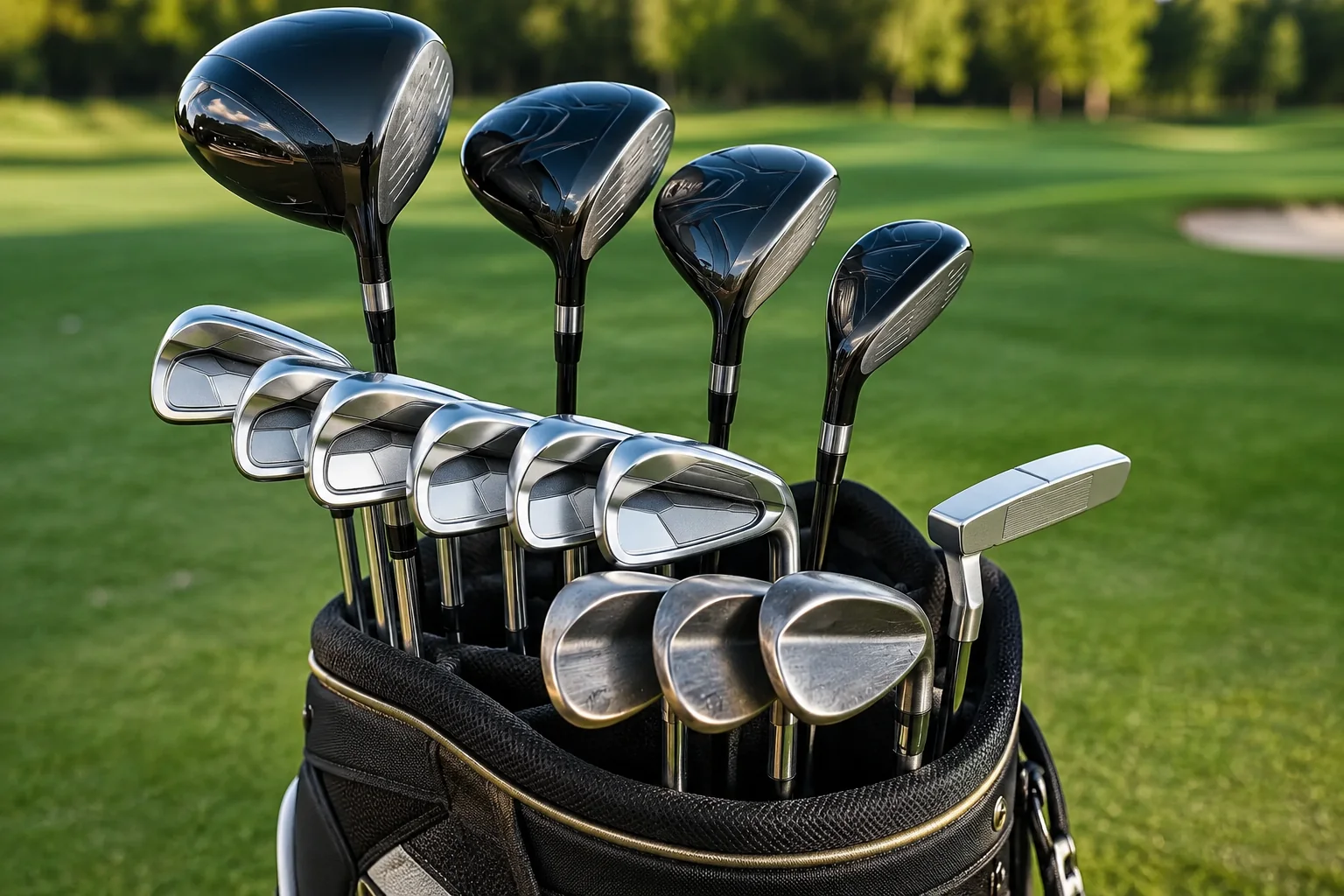
A 3-wood is one of those clubs that looks indispensable when you arrange your bag. It promises a long shot from the fairway and an alternative when the driver feels risky. Then you reach a tight par five, put the ball down on short grass and try to sweep it into the air.
For plenty of golfers, that's where the romance ends.
The 3-wood comes out low. Sometimes it runs a long way. Sometimes it barely gets past the five-iron. And the 5-wood you've been ignoring could have produced a cleaner, higher shot with less effort.
There's a reason to look seriously at 5-woods and 7-woods, even if you've carried a 3-wood for years. The best mix depends on how you use the clubs and how far they actually carry.
What the numbers usually mean
The number on a fairway wood tells you its place in a product family, but there's no industry-wide loft standard. Common starting points are around 15 degrees for a 3-wood, 18 degrees for a 5-wood and 21 degrees for a 7-wood. Individual models can differ by a degree or more.
Loft isn't the only change. The shaft typically becomes shorter as you move to a higher-numbered fairway wood, and the heads may differ in size and shape.
That combination is important. A lower-lofted club offers the potential for more distance, provided the golfer can deliver enough speed and launch. A slightly shorter, higher-lofted wood may let another golfer make better contact and carry the ball farther.
PING's published fairway-wood specifications illustrate how model families can differ. Their G440 lineup includes woods with different lofts, lengths, head configurations and adjustability. Check the exact model you're testing rather than relying on the number alone.
The quickest way to see the difference
Set each club behind a ball on short grass.
A 3-wood has less loft looking back at you. If you tend to sweep the ball with very little height, you may feel as though you need to help it into the air.
A 7-wood presents more loft and usually a shorter playing length. Many golfers find that combination easier to launch, especially from the turf.
Don't try to lift the ball with your hands. Make a normal swing and let the club's loft do its work.
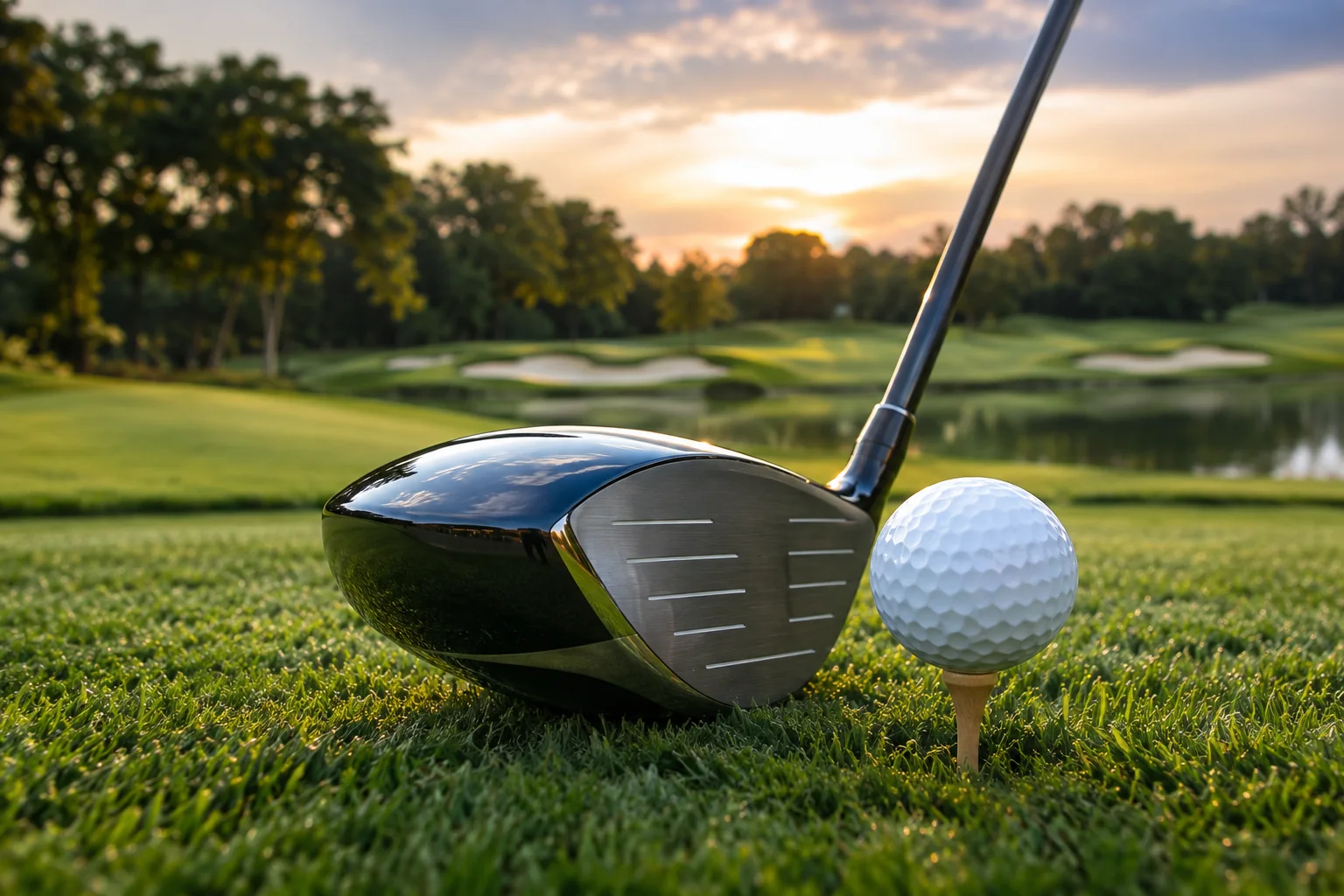
The 3-wood has two quite different jobs
Some players carry a 3-wood primarily for tee shots.
On a short par four with a narrow landing area, the goal might be to finish short of a creek or avoid running through a dogleg. A controlled wood from the tee can be useful there.
Others want a 3-wood they can hit from the fairway when attacking par fives. That's a tougher assignment, because there's no tee holding the ball above the ground.
If you can strike it cleanly from a tight lie, launch it properly and carry it noticeably farther than your other fairway woods, the 3-wood has earned its spot.
If you only hit it well from a tee, that's useful information too. You can decide whether a tee-only club deserves one of fourteen places.
Under Rule 4 of the Rules of Golf, you're limited to fourteen clubs during a round. You don't have to use all fourteen, and there's no rule requiring a 3-wood.
Why a 5-wood often gets more use
Consider a golfer whose 3-wood sometimes carries 205 yards but often launches low and lands around 185. A 5-wood carries a fairly dependable 195 with a noticeably higher flight.
Those are illustrative numbers, not a measured test. The choice depends on the hole.
If the player needs to clear a pond at 188 yards, the 5-wood may be the more trustworthy option, despite the 3-wood's occasional longer shot.
The 5-wood also earns its place on long par threes or approaches where the green is slightly elevated. More loft can help produce a useful descent angle.
It isn't always easier. Some 5-woods may be poorly matched to the player's preferred shaft weight or face presentation. Test the specific club rather than assuming every 5-wood works.

The 7-wood is worth trying from grass
A 7-wood can look like too much loft until you hit one properly.
Its shorter shaft and higher loft may make it easier to produce height while still covering a distance that challenges your longer irons. Depending on the player and model, it might replace a long iron, a strong hybrid or another fairway wood.
The most useful result is a shot that carries its intended distance and approaches the green at a steep enough angle to give you a reasonable chance of stopping it.
Picture a long par three with a bunker across the front and no safe place to run the ball up. A low, running 4-iron might be awkward. A 7-wood that flies over the sand could change the way you play the hole.
But a 7-wood isn't automatically a green-holding machine. Your ball speed and launch conditions still matter. Some golfers hit it too high for windy conditions. Others discover that it overlaps almost perfectly with a hybrid they already own.
The answer is in the carry numbers.
One hole, three different decisions
Suppose you've got a 480-yard par five. Your drive finishes in the fairway, leaving 225 yards to the flag. A stream crosses the front of the green at 205 yards.
With a reliable 3-wood: If your normal carry comfortably clears 205 and your left-right pattern avoids the trouble, going for the green might be reasonable.
With a 5-wood: If your normal carry is about 195, trying to reach the green would bring the stream directly into play. A controlled layup is a more sensible use of the club.
With a 7-wood: If your normal carry is 175 or 180 and you can place it accurately, you might set up a comfortable wedge distance.
The precise numbers aren't important; they're an example of how club choice changes course strategy. The hazard distance matters more than the length of your best-ever fairway wood.
There's nothing wrong with laying up from the fairway and making par the ordinary way. Most golfers lose more strokes chasing a shot they can't reliably carry than they gain from the occasional miracle.
Fairway woods and hybrids can crowd each other
It's possible to end up with a bag full of clubs that all cover roughly the same distance.
A 7-wood and 3-hybrid may have similar stated lofts. Their shaft lengths, heads and flight characteristics still differ, so one can easily carry farther or land steeper than the other.
That makes a proper comparison worthwhile.
Our hybrid versus long iron guide works through the same problem at the iron end of the bag: keeping a club because it fills a real shot, not because the number sounds right.
You can also revisit how to choose clubs for your game if you've accumulated several woods and hybrids without a clear role for each.

Try this fairway-wood comparison before buying
If a shop or fitter has a launch monitor, tell them you want to compare shots from the ground. A 3-wood test conducted entirely from a tee won't answer whether you'll trust it on a par five.
Hit enough normal swings to see a pattern. Alternate clubs during the session, and avoid deleting every imperfect contact.
Ask for the following numbers:
- Carry distance. How far did the ball fly before the first bounce?
- Launch angle and peak height. Are you creating enough elevation for the shots you want?
- Landing angle. How steeply is the ball arriving?
- Left-right dispersion. How large is the playable area you need?
- Consistency. Is the club producing roughly the same result often enough?
You may find the 3-wood wins on maximum ball speed, the 5-wood wins on useful carry and the 7-wood wins when the target is a green.
There can be three winners for three different jobs. You still have to decide which jobs deserve bag space.
Check the shaft and playing length
A fairway wood that feels too long can be difficult to strike in the center. The solution might involve length, total weight, head design or a different shaft profile.
If you test the same model with substantially different shafts, don't attribute every flight change to the club number. A heavy shaft that makes your swing laborious can spoil an otherwise suitable head. A shaft that feels too light can create its own timing problems.
The regular versus stiff flex guide explains why the printed flex label is only a starting point. Take the actual club you intend to buy through a full comparison, including the shaft.
Also look at adjustable hosels. Some models allow changes to loft and lie settings. Use the manufacturer's instructions, and recheck your flight after an adjustment. Changing a setting isn't the same as magically turning a 3-wood into a 5-wood.
What to notice on the last few swings
A fitting can begin beautifully and deteriorate when you're tired. That's worth noticing.
If the 3-wood produces three excellent strikes early and then several weak shots, ask yourself how often you'll make that best swing late in a round. A club that needs perfect timing may be less useful than the one you can hit with an ordinary rhythm.
Also compare where the ball starts, not just where it lands. If you're comfortable aiming the 5-wood at a narrow target but feel uneasy looking down at the 3-wood, give that reaction some attention. The final decision should still be based on shots, but confidence influences the swing you take onto the course.
If you can, finish the test by alternating all three clubs again. You'll have a better sense of which one you can return to after a break, which is much closer to what happens during an actual round.
What about hitting fairway woods out of rough?
A clean lie makes the comparison easier. Rough introduces more variables.
If the ball is sitting up in light grass, a higher-lofted wood may produce a playable shot. If it's nestled down, the grass can interfere with contact and twist the head. Even when the distance to the green looks inviting, a shorter club may be the safer play.
The width of a fairway-wood head can make a buried lie awkward. A hybrid or iron may give you more confidence from that spot.
You don't need to prove you can reach the green from every lie. Recognizing when a club isn't suited to the shot is part of using your equipment well.
One bag might need a 3-wood. Another might not.
Here are three ways a golfer might arrange the top of the bag. These are examples to test, not complete bag prescriptions.
Driver, 3-wood, 5-wood: This can work when the 3-wood is a reliable tee option and the 5-wood covers a different distance from the grass.
Driver, 5-wood, 7-wood: A practical combination for someone who launches a 3-wood poorly but gets dependable height and carry with the higher-lofted options.
Driver, 4-wood, hybrid: Some players do well with a slightly higher-lofted alternative to a traditional 3-wood and a hybrid for the next distance down.
A few golfers will prefer a single fairway wood and more room for wedges. That's fine as long as the gaps make sense.
Make the choice with three shots in mind
Before ordering a new wood, pick three situations from the course you play most often.
The first is a tee shot where the driver brings too much trouble into play. The second is a clean fairway approach that needs actual carry distance. The third is a long shot into a green with a hazard protecting the front.
Try the 3-wood, 5-wood and 7-wood against those jobs.
You may discover that your 3-wood is fantastic off the tee and unnecessary from the fairway. You may find a 5-wood does almost everything you need. Or the 7-wood may become the club you reach for on long par threes because its carry and descent are predictable.
Once those roles are clear, the top of your bag becomes easier to build. And the next time you're standing in the fairway with trouble ahead, you'll know which shot is actually there.